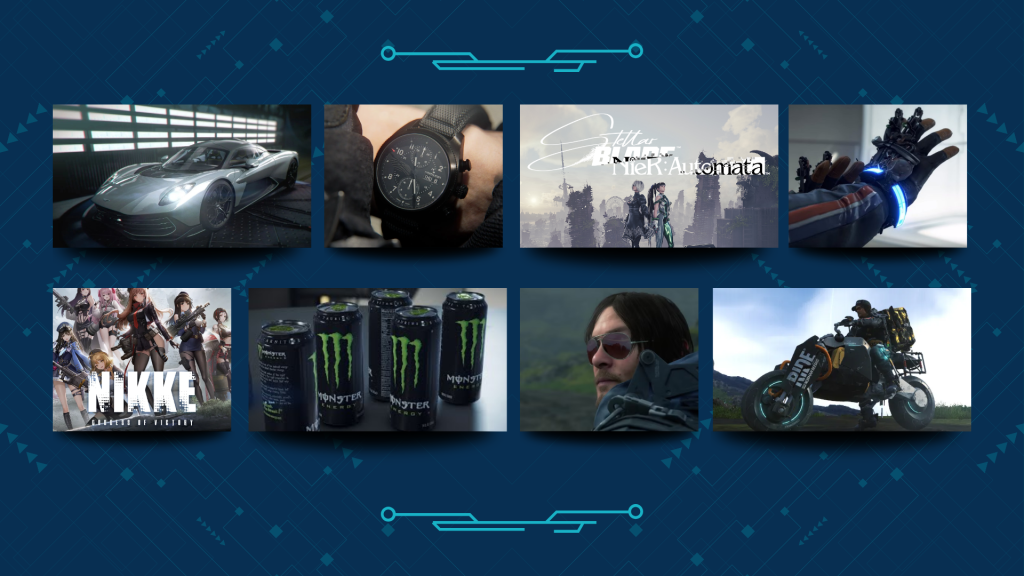
The End of the Interruptive Era
For decades, the relationship between luxury brands and their audience was created and maintained on a simple marketing model: running sleek TV commercials or placing glossy ads in premium magazines. This “passive prestige” method worked when audiences had no choice but to watch, but in the current digital atmosphere, that model is rendered broken and obsolete. Modern-day consumers have a nurtured resistance to traditional advertising: they skip commercials, use ad-blockers and ignore forced corporate intrusions. To outlive this change, luxury brands have had to move off the sidelines and start participating in digital spaces, where their audience has become more prevalent.
From Ads to Experiences: The Gaming Frontier
This shift has led prestige brands to the most engaged frontier of modern media: the world of high-fidelity video games. Unlike cinema or television, video games offer an unprecedented level of immersion, allowing brands to move beyond a simple logo on a screen and become assets in the virtual world. This article explores three distinct strategies for this new era of digital branding. First, through Capcom’s Resident Evil Requiem, we examine ‘Strategy A: Atmospheric Integration’, where brands use “identity mirroring” to build quiet, aesthetic authenticity. Second, we look at IO Interactive’s 007: First Light to
analyse ‘Strategy B: Active Utility’, in which heritage brands become functional tools mapped to the controller. Finally, we turn to Hideo Kojima’s Death Stranding to explore ‘Strategy C: Literal Integration’, in which a product becomes the very fuel for survival, keeping the player alive.
Strategy A: Atmospheric Integration and Identity Mirroring
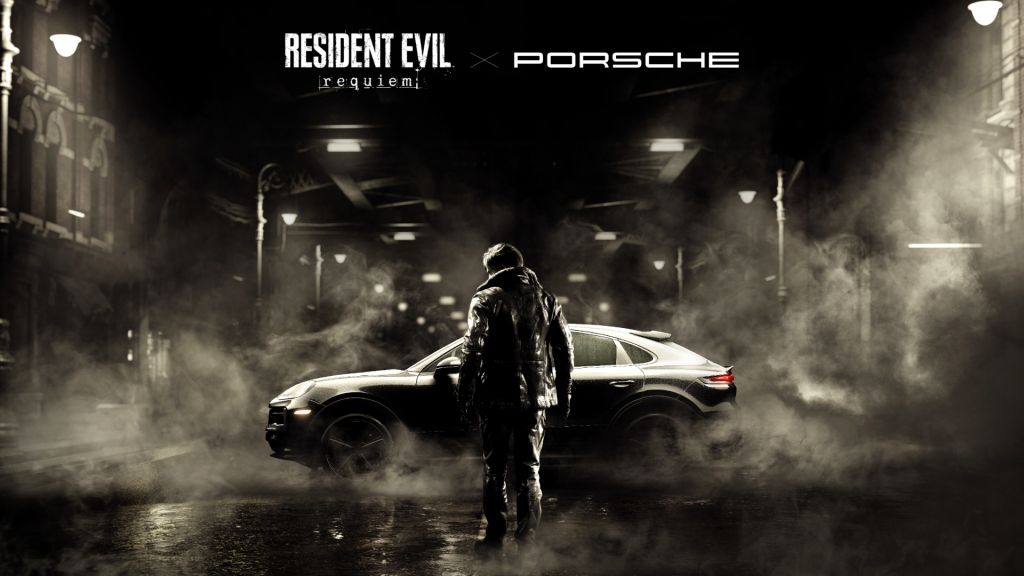
To understand how this comes to fruition, look no further than Capcom’s masterful use of atmospheric integration in Resident Evil: Requiem. In a tense survival-horror game, a bad advertisement sticks out like a sore thumb. If a massive billboard for a luxury car company suddenly appeared in the middle of a barren, haunted landscape, it would instantly ruin the scary atmosphere and annoy the player. Capcom avoids this annoyance completely. Instead of interrupting the game with loud, immersion-breaking ads, high-end collaborations are woven organically into the fabric of the world across both micro and macro levels. At the micro level, the integration appears as a minor cosmetic detail: a rugged Hamilton Khaki Field watch strapped to the wrist of the protagonist, Leon S. Kennedy. On a macro level, this expands into his choice of transport, a high-performance Porsche Cayenne Turbo GT that he uses to navigate the dangerous narrative environment. Both heavy-duty and high-performing elements mirror Leon’s identity as a seasoned, elite operative who needs reliable gear to stay alive. Explaining how such subtle branding influences player perception can help industry professionals understand its strategic value in building authentic brand affinity.
Mirroring Identity Without Forcing the Gameplay
By keeping these brands as natural aspects of the character and world design rather than forcing them into active gameplay mechanics, the developers are relying on a clever psychological trick called ‘identity mirroring’, a strategy in which a brand reflects the consumer’s own beliefs, values and lifestyle. When players raise their weapon to aim the sights, the third-person view makes the Hamilton timepiece visible; during a cinematic cutscene of Leon arriving at a location, they see the Porsche. Because these items serve as seamless extensions of Leon’s persona, fans who love his character naturally project his best traits, resilience, peak performance, staying cool under pressure, onto the real-world brands. The items don’t need to provide an in-game stat boost, unlock a special ability or change the efficacy of pressing buttons. Instead, when a multi-million dollar brand respects a game’s fictional world enough to sit behind the wheel, it earns massive respect from the gaming community. Integrating these visual elements elevates standard exposure into a genuine display of creative authenticity. It proves the brand values the art of storytelling over a simple sales pitch, fostering a sustainable, respectful connection with its audience.
Strategy B: Active Utility and Mechanical Integration
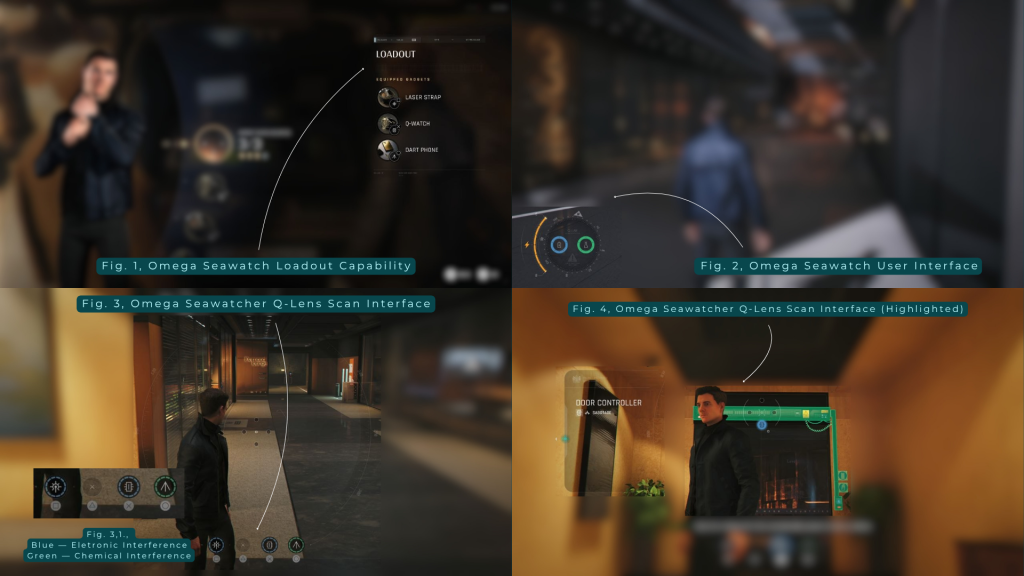
While the previous strategy focuses on how a brand looks, this strategy focuses on how a brand works. This collaborative depth comes alive in IO Interactive’s 007 First Light, where the long-standing partnership between James Bond and Omega shifts beyond the movie screen and into the game’s core mechanics. In the classic films, the watch was often just a beautiful accessory that Bond might use in a single cinematic moment. However, in its different game, the Omega Seamaster is reimagined as a vital piece of tactical equipment that the player actively uses to progress. Whether players use it to deploy sedative darts, destroy a security feed with a laser, or track a device’s signal, the watch is no longer a background detail. It is a tool for survival. By mapping the watch’s functions to specific buttons on the controller, the developers ensure that the player doesn’t just see the luxury brand, they rely on it to succeed.
Building Trust Through Interactive Reliability
This shift from passive viewing to active usage changes the player’s psychological relationship with the brand. Marketing professionals call this “functional association”, but for the player, it simply feels like reliability. Every time the Omega watch successfully helps them bypass a difficult obstacle or survive a stealth encounter, a sense of trust grows. The brand becomes synonymous with competence and success because it was the literal instrument that allied the player to overcome a challenge. This level of integration creates a much deeper affiliation than a traditional 30-second commercial ever could. When a player finishes the game, they don’t see the Omega watch as a status symbol worn by a famous spy; they remember it as the reliable asset that helped them finish not only the mission, but the entire game. Tying the watch to in-game success transforms a high-end luxury item into a badge of achievement, effectively turning a virtual experience into a real-world desire for the product. Clarifying how this active utility fosters trust can help industry peers develop more effective, long-lasting branding strategies.
Strategy C: The Symbiosis of Shared Empathy (And the Licensing Warning)
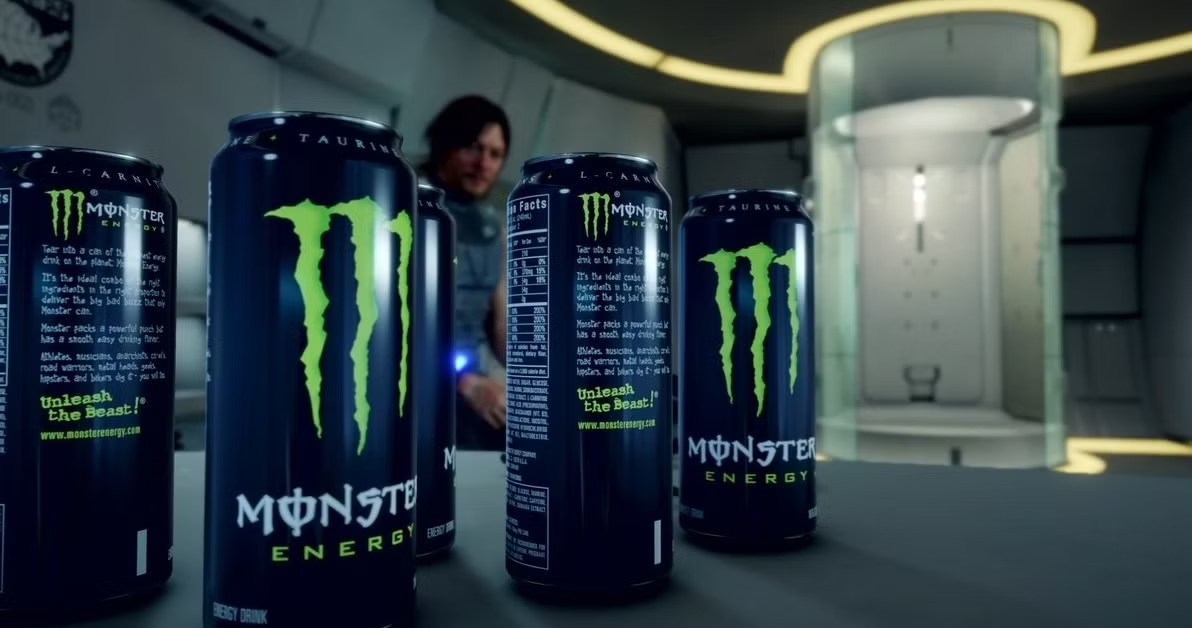
When executed correctly, integrating a real-world element into a game’s core survival cycle doesn’t feel like a corporate transaction; instead, it serves as a medium of shared realism, the psychological experience of sharing inner states. When a developer uses a brand’s real-world familiarity, they use that weight to anchor the game’s fictional stakes. It psychologically manifests a powerful phenomenon: the shared exhaustion and relief between the character, the player and the asset.
A prime example of this cornerstone occurred in Hideo Kojima’s original 2019 release of Death Stranding. Kojima used Monster Energy’s real-world appeal to emphasise the brutal, exhausting loop of traversing a post-apocalyptic wasteland. When protagonist Sam Porter Bridges becomes fatigued, his stamina bar depletes and his movement is affected, making the player feel the mechanical downtime. By allowing Sam to relax and drink Monster Energy to restore his stamina, the game executes a perfect tri-directional behavioural pairing: the player feels the stress, the character suffers the physical toll and the real-world brand provides the literal, psychological reset. It wasn’t just product placement; it was a psychological tool that made the game’s bleak environment feel terrifyingly close to reality.
The Big Risk: When the Bridges are Burnt
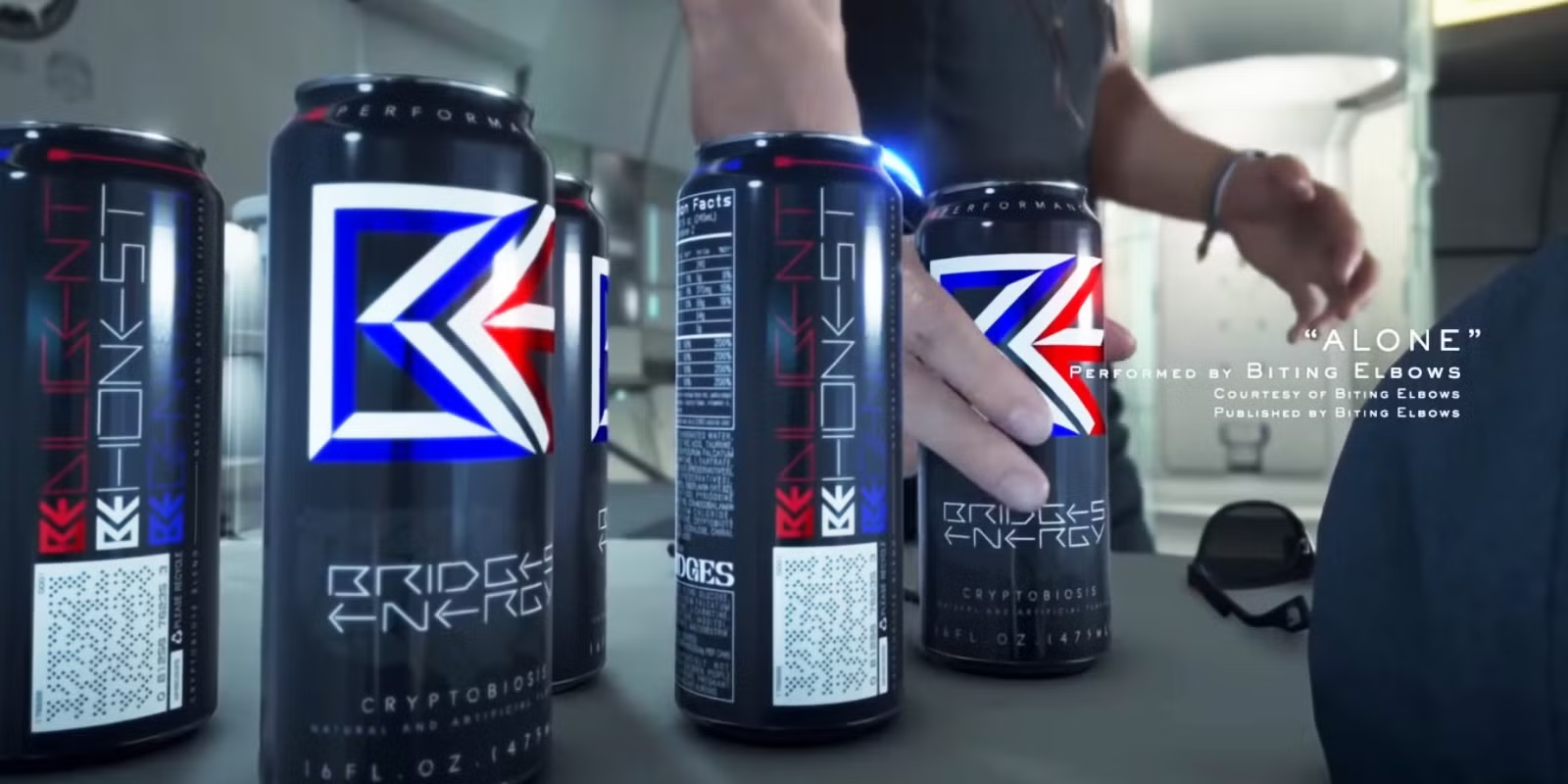
Relying on a massive corporate brand like Monster Energy comes with a major trap: it doesn’t last forever.
While neither party ever stated exactly why the partnership ended, the reality remains that when the Director’s Cut was released, every single Monster Energy trace had vanished, replaced by a fictional alternative called “Bridges Energy”. Whether it was due to a contract expiring, a shift in creative direction or changes in marketing budgets, the outcome was ultimately the same: the real-world brand ceased to exist from the experience henceforth.
This risk is a huge signal for challenger brands to avoid. If your brand relies on a cold corporate transaction rather than building a home in the game’s lore, you aren’t building a connection, you’re just waiting for your bridge to burn. The moment circumstances change, your placement can completely vanish, leaving you as nothing more than a momentary blip on a billboard rather than a permanent part of gaming history.
The Triumph of Creative Camaraderie
Ride with Norman Reedus
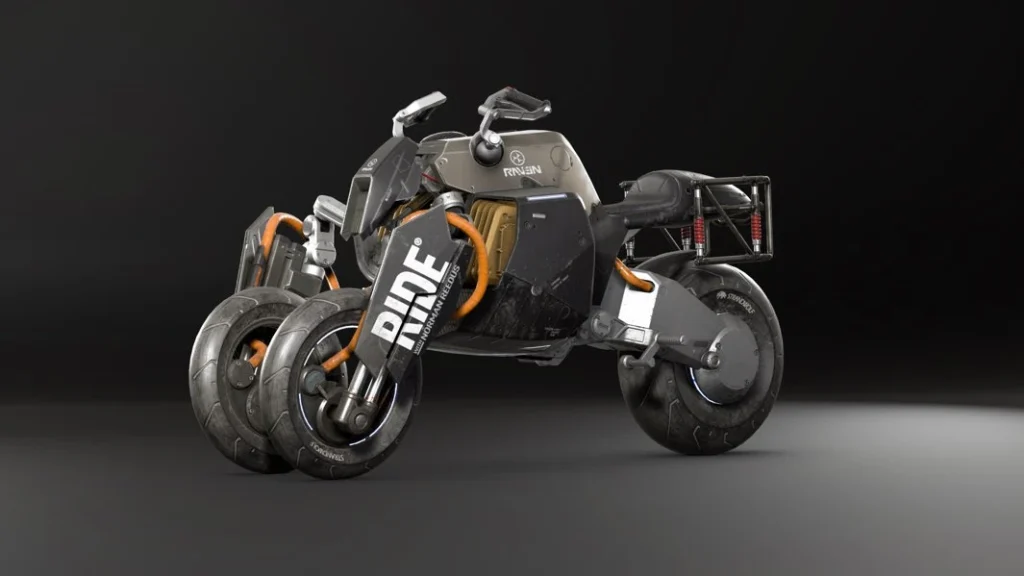
To witness how an integration can gracefully survive over the long term, one need only look to the same game, with the inclusion of AMC’s motorcycle travel show, Ride with Norman Reedus.
This inclusion wasn’t born out of a sterile corporate transaction. Instead, it grew from a deep layer of artistic respect and emotional loyalty between Hideo Kojima and his lead actor, Norman Reedus. Years earlier, the duo set out to create the highly anticipated Silent Hills, but internal conflicts abruptly killed the project before it could cross the finish line. When Kojima went independent to develop Death Stranding from scratch, Reedus instantly climbed aboard.
To honour his friend’s real-world passion for motorcycle culture, Kojima included a custom “Reverse Trike: ‘Ride’ Type” motorcycle into the game, complete with the show’s official logo. Sam even breaks the fourth wall to shout it out while riding cheerfully.
Why did this collaboration survive while the game cut Monster entirely? Because it embraced self-aware authenticity. It wasn’t trying to deceive players into looking at an ad; it was a transparent, inside joke and a public thank-you between a creator and an actor. Because this partnership grew from mutual respect rather than a standard corporate contract, it felt human.
Conclusion: The New Foundation for Interactive Loyalty
Ultimately, the evolution of gamified marketing highlights an undeniable reality: traditional advertising methods are barely thriving in the modern digital age and represent far more than a passing trend, it is a total rewriting of the marketing playbook. For decades, monotonous, one-way feedback locked consumer engagement into a rigid set of rules, standard television commercials, print spreads and disruptive pop-up banners. Tech-savvy audiences adapt and actively tune these ‘annoyances’ out, skip them or block them entirely. For smaller, up-and-coming challenger brands, fighting on those traditional battlefields was a losing fight.
This strategy reclaims a medium once dismissed as a bad influence, completely transforming its cultural dynamic, serving as the ultimate equaliser. In a high-fidelity digital world, a massive corporate wallet matters far less than creative authenticity and cultural alignment. By moving away from shouting at an indifferent audience and instead moving onto the player’s fingertips, smaller brands can bypass traditional gatekeepers entirely.
Whether a brand coexists quietly as a natural extension of a character’s identity (Strategy A), acting as a functional tool required to solve complex puzzles (Strategy B), or anchoring the very pacing of a game as survival fuel that mirrors the player’s own real-world exhaustion (Strategy C), the metrics of success have fundamentally changed into an infinite possibility. It is no longer about who can buy the most noise; it is about who can build the deepest, most authentic connection. Following the ‘golden three’, respect, enhance and innovate the player’s experience, challenger brands are no longer restricted from participating in the media landscape. In fact, it is an opportunity to quietly attract the attention of their future consumers and gain their loyalty right under the noses of industry giants.
Spotlight: The Power of Niche Synergy
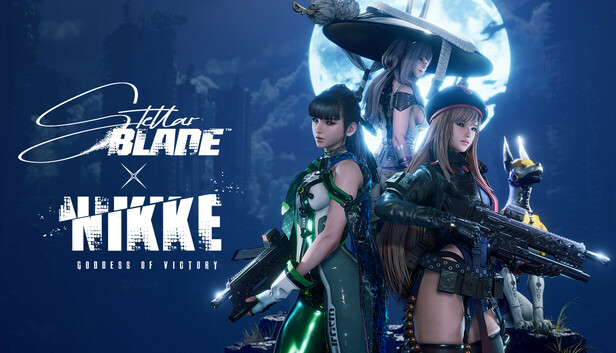
While triple-A giants take a chance on multi-million dollar, mass-market placements, the future of digital branding belongs to a quieter, more deliberate strategy: Niche Synergy. For challenger brands and independent creators alike, success isn’t about reaching the most eyes; it’s about reaching the right hearts. When a brand stops chasing raw player metrics and, instead, aligns with a game that mirrors its core principles, the integration transforms from an advertisement into a cultural artefact. We observe the power of this strategy in the meteoric rise of studios like Shift Up. Whether by seamlessly integrating iconic subculture franchises into Goddess of Victory: Nikke or collaborating with legendary creators on Stellar Blade out of pure artistic respect, Shift Up rejects generic, mass-market placements. They treat collaborations as a shared celebration of identity and unity. Thus, they can nurture mutual cultural declarations that respect the player’s intelligence.
The Blueprint for Future Digital Branding
This ‘Niche Synergy’ establishes an influential, three-way ecosystem that completely redefines the boundaries of digital branding. For the developer, it secures authentic funding and vital resources without forcing them to compromise their artistic vision for a generic corporate sponsor. At the same time, it allows the brand to unlock permanent, ingrained loyalty from a highly engaged community that respects for genuinely “understanding” their world. Ultimately, this synergy sets a new industry precedent, one where digital branding transforms into a collaborative art form rather than a disruptive commercial break.
Fundamentally, the future belongs to the brave brands
willing to step away from mass-market safety nets.
By cementing your identity within the right creative universe,
you become a beloved pillar of a community’s history.
About The Author

Find Your True North
Is your brand ready to face the recession? Find out in 10 minutes. Take our free Challenger Brand Scoring! Find you brand gap. We’ll help you fix it!
Regarding Brand Geeks Inc
Since 2011, Brand Geeks Inc has helped brands evolve into tech-empowered market leaders. We’ve guided 300+ brands, including MyTeksi (before it became Grab), to turbo growth. We don’t just nurture legendary brands that change the world, we nurture the people who build them. Explore our portfolio and services at brandgeeksinc.com
What They Said About The Program
The session was informative & provided a lot of updated insights on current AI trends & users, especially in Malaysia.
There are so many AI tools we haven't explored yet, this masterclass helped me see that.
It's not just about marketing, this experience was more about the entire journey of your startup.
AI is a new thing, Tak ramai yang ada masa untuk explore secara berstruktur, sebab kelas ni dia offer silibus yang berstruktur.
Had a good experience during training with Brand Geeks Inc today on AI Marketing Masterclass. Learn that multiple AI tools can be used together to create a good result.
The masterclass is well curated for all levels of professionals. Love the energy and the engagement. Keep up the good work!
If you’d like our help: Get our consulting services for your branding needs; email [email protected].