


Reading Time: 4-5 minutes
It is a scene familiar to almost every technical founder.
You are staring at your dashboard. It’s late. You’ve spent the last 18 months in development hell, but you made it out alive. The code is clean, the uptime is perfect and the product actually solves the problem you set out to fix. By every engineering metric, you have won.
But then you look at the user growth line. It’s flat.
You check your inbox. The investors who smiled during the pitch haven’t called back. They didn’t “get it” in the first five minutes and they certainly didn’t stay for the deep dive.
The conflict is painful: Why is nobody paying attention to something this good?
The thesis is simple, though hard to swallow: The problem isn’t your technology. The problem is that you are speaking “Engineer” to a world that only listens to “Story.”
Survivors use AI to type faster.
Thrivers use AI to think deeper.
If you feel this way, you aren’t alone. In fact, you are part of a very specific national paradox.
The good news is that you are building in an ecosystem that is finally hitting its stride. Malaysia is building world-class infrastructure. In fact, Kuala Lumpur has just broken into the major leagues, ranking 18th in the Global Top 20 Emerging Ecosystems in the Global Startup Ecosystem Report (GSER) 2025. The foundation is there. The talent is there.
But there is a specific weakness that threatens to cap our potential.
As Dr. V Sivapalan, a veteran of the local industry, bluntly noted in his analysis of the ecosystem: “We are really terrible at telling a great story about Malaysian technology.”
This isn’t a lack of skill; it’s a mistake in mindset. Too many founders treat marketing as “decoration”, something you paint on at the very end to make the product look pretty. But in a crowded market, the story isn’t decoration. It is the foundation.
You might think, “The product will sell itself eventually.” Unfortunately, the data disagrees.
According to 2025 analysis on startup failure rates, 56% of startups fail because of “marketing problems” related to poor product-market fit. This isn’t usually because the product was useless, it’s often because the founders failed to communicate the value clearly enough to create that fit.
This creates an “Invisible Tax” you pay every day you don’t have a clear story:
Being the “best-kept secret” in the industry isn’t a badge of honor. It is a business risk.
So, how do you fix it? You have to stop talking about specs and start talking about people.
This isn’t just fluffy creative advice; it is a biological fact. Peer-reviewed research confirms that listening to character-driven stories triggers the release of oxytocin in the brain. This chemical directly increases trust and cooperative behavior.
Look at the giants. Apple didn’t just sell computers with good processors, they sold “Thinking Different.” Nike didn’t just sell their shoes, they sold “Just do It.”
They didn’t sell what. They sold the who.
You don’t need a Stark Industries budget to fix this. You just need clarity.
1. Customer is the Hero
You are not Luke Skywalker, you are Yoda. Your customer is the hero of this journey. Your product is just the lightsaber they use to win the battle. Stop talking about the lightsaber and start talking about the battle.
2. The “Grandma Test”
Can you explain your startup to your grandmother in one sentence? If you have to use words like “scalability,” “ecosystem,” “API” or “AI-driven,” you have failed. Keep it simple. Just like how Anthony Tan convinced his grandma to invest in MyTeksi before the big money came in.
3. Consistency is King
Your website, your pitch deck and your LinkedIn bio must tell the exact same story. If your deck says you are “The Future of Logistics” but your website says you “sell truck tires,” you create confusion. Confusion kills conversion.
Through our work with programs like Cradle Turbocharge, we have seen firsthand how refining the narrative can turn a prototype into a powerhouse.
1. MyTeksi (currently known as Grab) Long before they were a regionally dominant unicorn with a $14 Billion valuation, MyTeksi was a team of six developers with a new, unproven app. When Aaron Gill signed up for the Cradle Turbocharge program in 2012, they were preparing to launch with just 50 taxi drivers.
The Narrative Fix: They needed to answer one fundamental question: Who is the hero? Is it the passenger or the driver? We helped them resolve this identity crisis and refine their launch strategy. By clarifying their brand story before hitting the market, they were able to scale from a local solution in Kuala Lumpur to a regional giant in Jakarta and beyond.
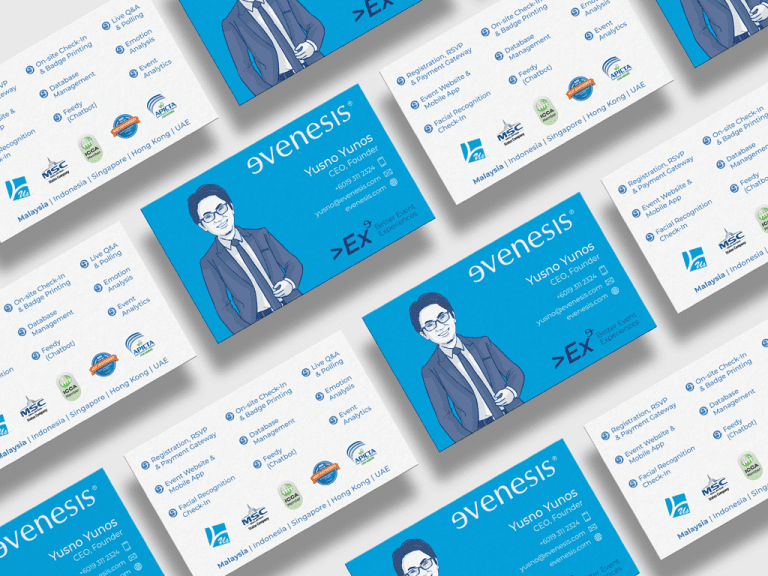
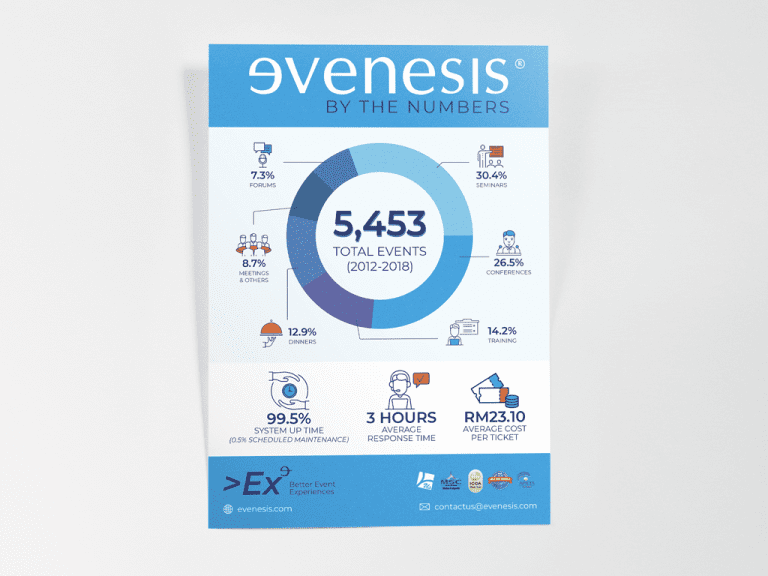
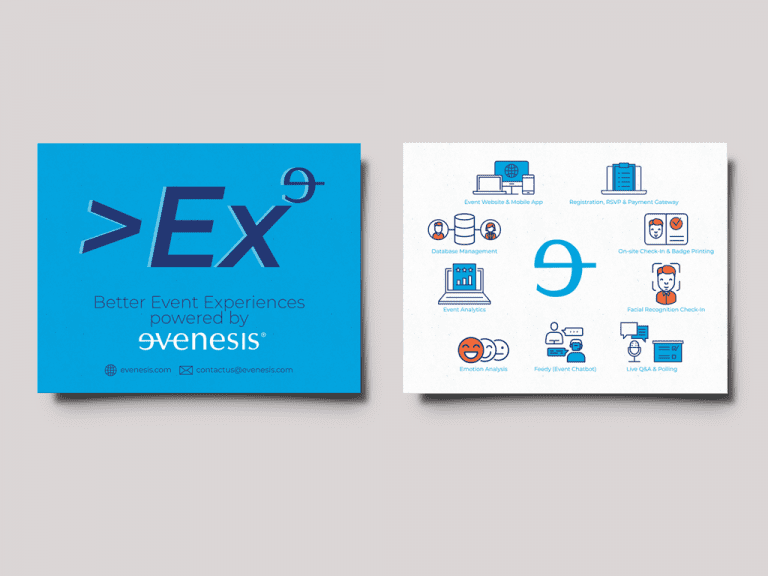
2. Evenesis A startup story isn’t static; it must evolve as you scale. When we first met Evenesis in 2012, they were new to the market. As they progressed, they were securing large clientele in the MICE (Meetings, Incentives, Conventions & Events) sector.
The Narrative Fix: A generic story wouldn’t work for a sophisticated target market. We helped them pivot their narrative to “Event Tech Specialists,” underscored by a new tagline: “Better Event Experiences Powered by Evenesis”.
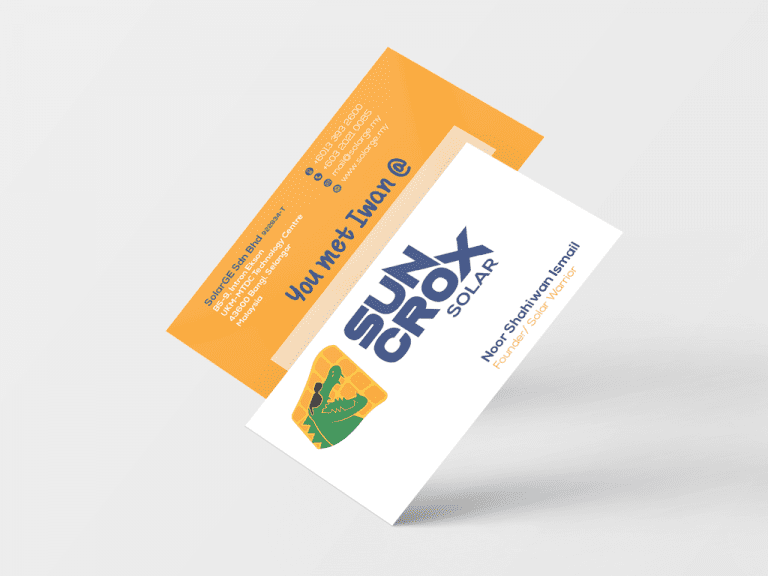
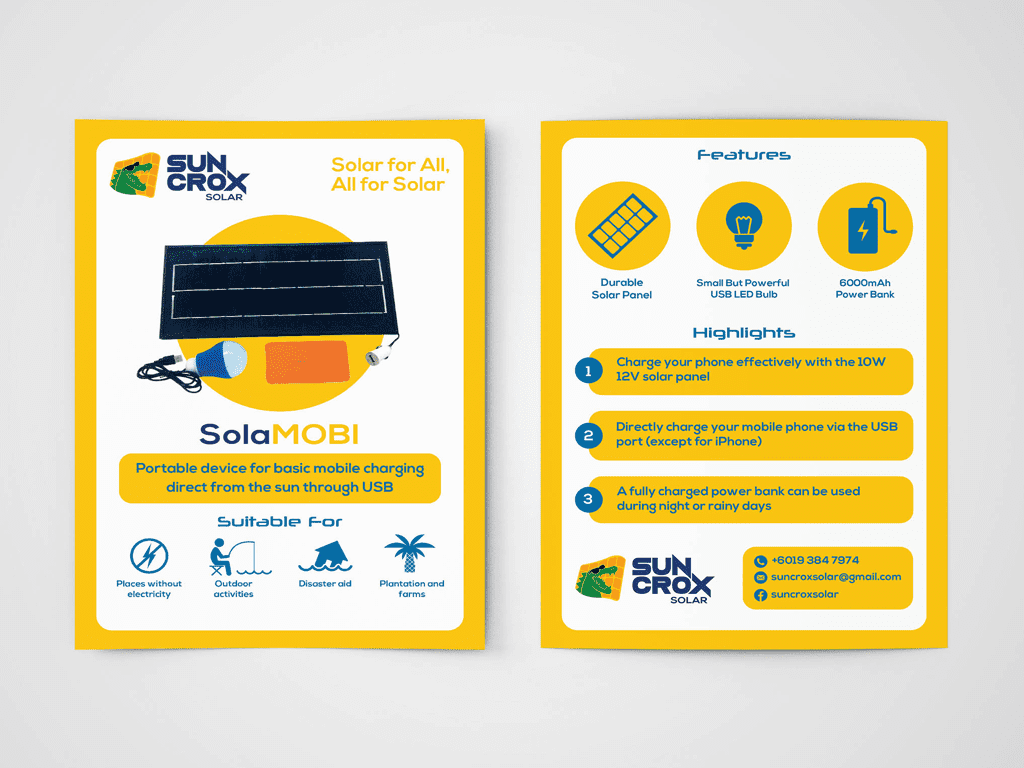
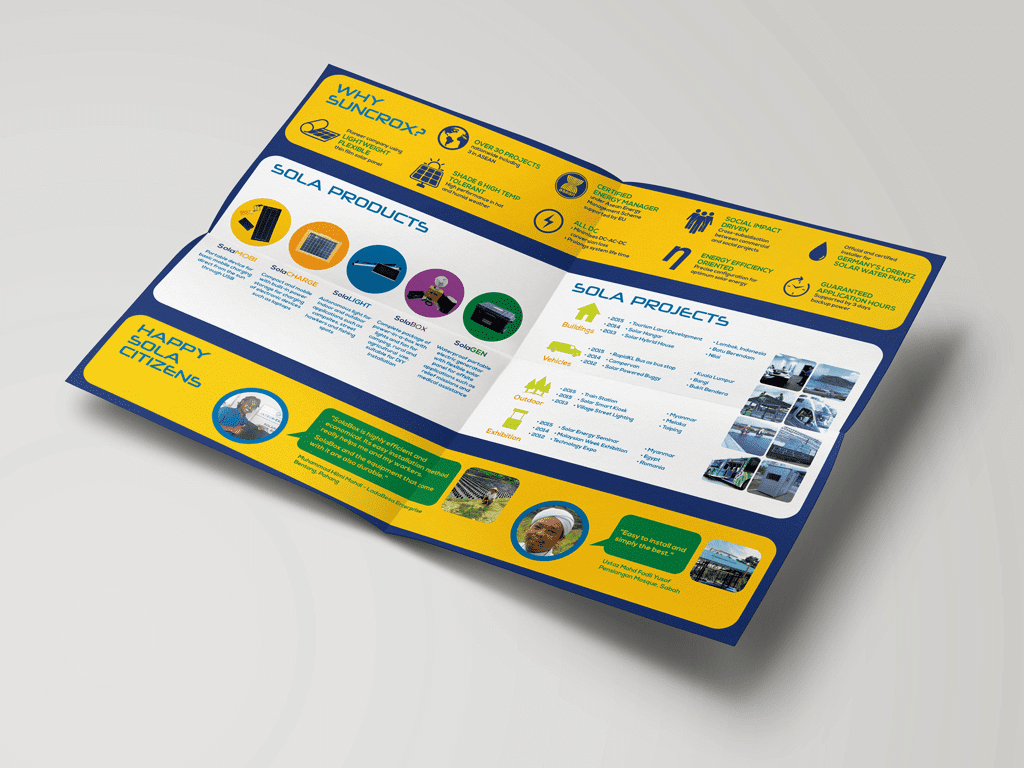
3. Suncrox Solar In a market crowded with urban solar providers fighting for the same customers, Suncrox needed a different story. Led by Noor Shahiwan, they were an MTDC Symbiosis incubatee with a vision.
The Narrative Fix: Instead of fighting the “urban” battle, they shifted their story to the “Solar for All” mission. They targeted the “blue ocean” of off-the-grid customers in rural and island sites, places competitors ignored. This unique “Solar Village” narrative allowed them to venture into Cambodia and Lombok, differentiating them instantly from every other solar company in the city.
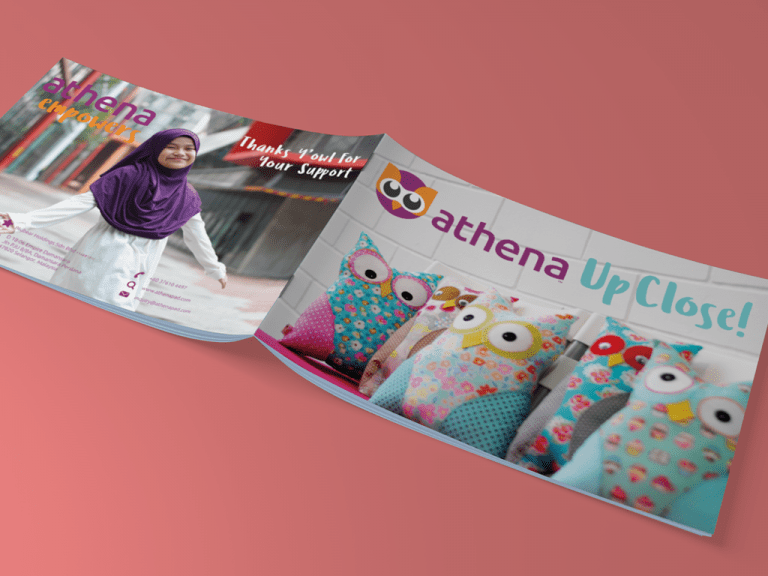
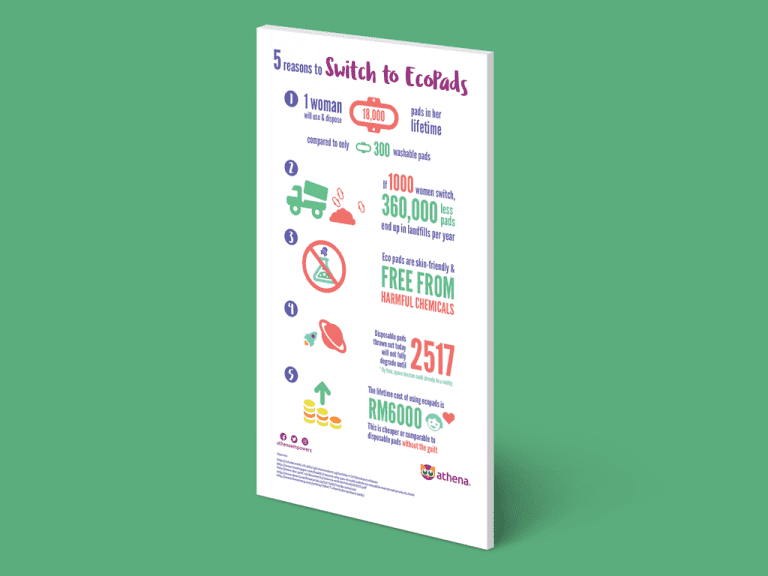
4. Athena is a pioneer in the social enterprise space, specifically regarding menstrual health. But selling reusable sanitary products is a functional pitch, not an emotional one.
The Narrative Fix: We helped them connect the product to the global conversation on the UN’s Sustainable Development Goals. By repositioning as “Athena Empowers,” the story shifted from “selling pads” to “empowering girls.” This narrative clarity allowed them to engage the public on deep, emotional issues, turning customers into advocates for a cause.
Malaysia has the engineering talent to compete globally. We’ve proven that in the rankings. The infrastructure is ready. The capital is there.
The only gap left is the narrative.
You have a choice. You can continue letting inferior products beat you just because they tell a better story. Or you can decide that your technology deserves to be understood.
Engineering builds the car. Storytelling puts the fuel in the tank. It’s time to drive.
Your product can change lives. But first, people need to understand why it matters. Start writing that story today.
Since 2011, Brand Geeks Inc has helped brands evolve into tech-empowered market leaders. We’ve guided 300+ brands, including MyTeksi (before it became Grab), to turbo growth. We don’t just nurture legendary brands that change the world, we nurture the people who build them. Explore our portfolio and services at brandgeeksinc.com
Register for Turbocharge Cyberview 2025: AI-Powered Marketing Workshop & Coaching, which includes a half-day workshop and online coaching sessions, to power up your usage of AI for more effective marketing, led by branding and marketing practitioners (as in, our founders) across a 3-month hands-on programme.
Spaces are limited with only 30 seats available in our very last cohort to be held on 21 January 2026 – secure your spot today to stay ahead in the AI marketing revolution!
The session was informative & provided a lot of updated insights on current AI trends & users, especially in Malaysia.
There are so many AI tools we haven't explored yet, this masterclass helped me see that.
It's not just about marketing, this experience was more about the entire journey of your startup.
AI is a new thing, Tak ramai yang ada masa untuk explore secara berstruktur, sebab kelas ni dia offer silibus yang berstruktur.
Had a good experience during training with Brand Geeks Inc today on AI Marketing Masterclass. Learn that multiple AI tools can be used together to create a good result.
The masterclass is well curated for all levels of professionals. Love the energy and the engagement. Keep up the good work!
If you’d like our help: Get our consulting services for your branding needs; email [email protected].

On 1 March 2024, Brand Geeks Inc proudly hosted a memorable graduation ceremony in Subang Jaya, marking the culmination of…

In a recent AI-Powered Marketing Masterclass, Manminder Kaur Dhillon, Founder of Supernewsroom.AI, underscored the critical importance of maintaining brand integrity in the age of AI-generated content. While AI tools offer incredible speed for creating everything from press releases to social media posts, Manminder emphasized, “Your brand integrity is your integrity,” warning against blind reliance on these tools without robust human oversight. She highlighted the legal complexities surrounding the ownership of AI-generated content and stressed that despite the safeguards implemented by platforms like Supernewsroom.AI, the ultimate responsibility for ethical and accurate messaging always lies with the user and publisher. Ultimately, businesses, especially SMEs and startups, must prioritize human judgment, review all AI-generated content, and commit long-term to protecting brand trust in this rapidly evolving digital landscape.

What if everything you’ve heard about Gen Z is wrong? They’re called “lazy” but they’re simply demanding purpose. They’re labelled “disloyal” but are strategically building an agile career. This generation isn’t a problem to be solved; they are a force to be understood. Their perceived weaknesses are, in reality, the very strengths that make them an energiser for a new kind of work.

AI is no longer a buzzword — it’s changing the way we work, communicate, and do business. But what does that mean for Malaysia?

AI is no longer a buzzword — it’s changing the way we work, communicate, and do business. But what does that mean for Malaysia?

In the competitive and fast-paced world of marketing, teams of all sizes need to harness the latest technologies to stay ahead. Artificial Intelligence (AI) has emerged as a game-changer, offering unparalleled capabilities in data analysis, personalisation, and automation.
Reading Time: 3-4 minutes While 84% of companies use AI to type faster, the “Thrivers” of 2026 are pivoting to…

AI is no longer a buzzword — it’s changing the way we work, communicate, and do business. But what does that mean for Malaysia?

As our lives increasingly blend the physical with the digital, mastering data has become essential—not just for insight, but for action. In our recent panel session “Breaking the Data Barrier: From Customer Insights to Action,” moderated by our Chief Geek, Silmyi M. Sadek, and featuring Yusno Yunos, CEO of Evenesis, we explored how businesses can thrive in this new “phygital” era.
From hyper-personalised customer experiences to data-driven sustainability and global networking, Yusno unpacked actionable strategies that redefine how we connect and operate. One key challenge he left with the audience: identify one core business problem and imagine how AI could solve it.
This session, part of our Turbocharge Cyberview 2025: AI-Powered Marketing Masterclass, offered not just ideas—but a roadmap—for turning data into real results in a hybrid world.

More attention now is being given to marketing teams to deliver quality leads for sales conversion in addition to creating…
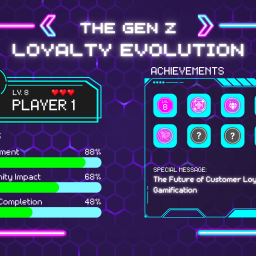
Traditional loyalty programs fail to connect with Gen Z, a generation motivated by community and achievement rather than simple discounts. The future of loyalty is not a static program but a dynamic, gamified platform. By leveraging a modern marketing tech stack, brands can build engaging experiences that create a more meaningful connection.
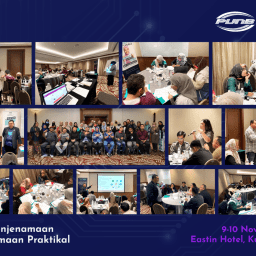
Unleashing More Brand Power in TurbochargeMyBrand with PUNB Guess who was back in action! Our Chief-Geek Silmyi M. Sadek, Geek-in-Command…

On 8 January 2026, we kicked off with our first Sembang Marketing Tech session for the year. The discussion featured…

Understanding the Customer Behaviour using Persona Analytics A marketing strategy must be based on accurate and relevant persona analytics. This…

Grab is Malaysia’s only unicorn and has conquered South East Asia with 11 Million users, 200,000 drivers, over 3,000 employees…